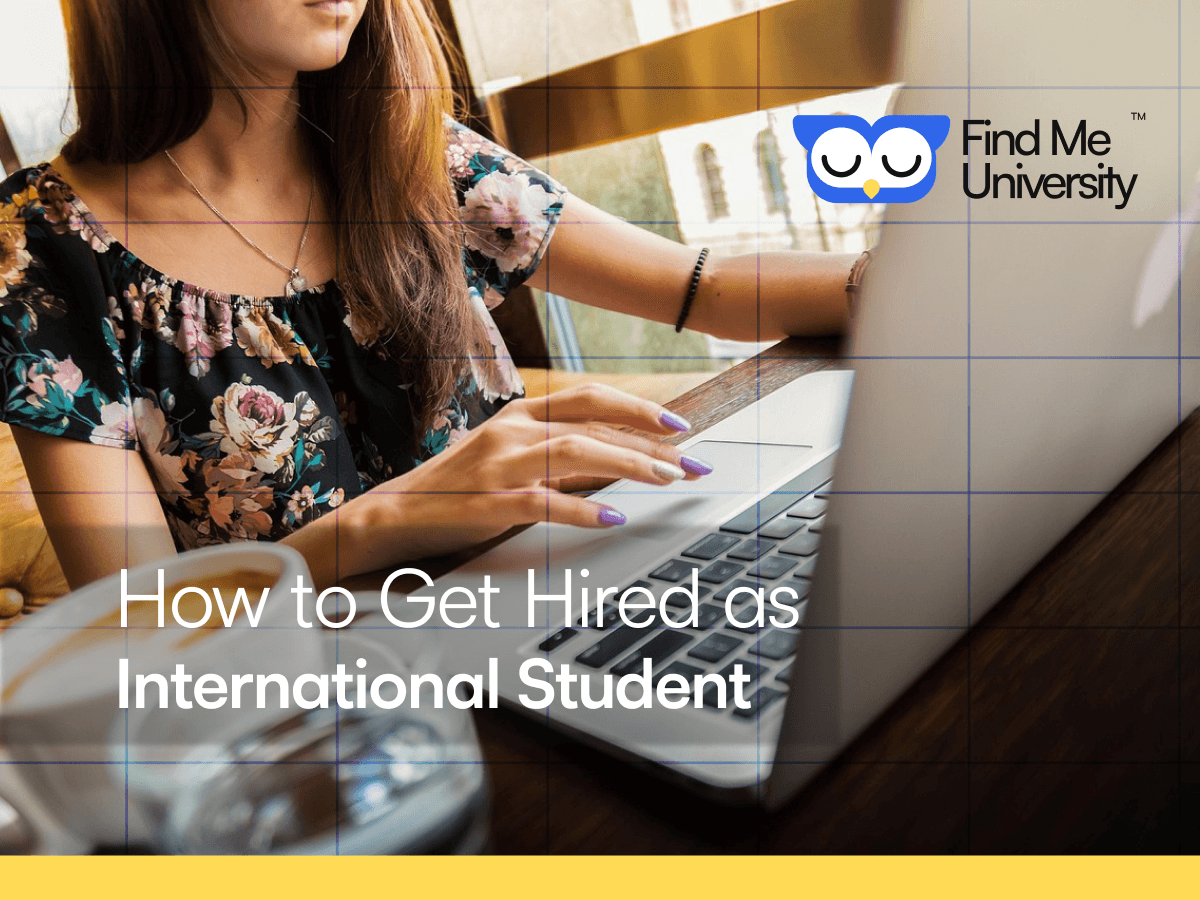
If you are nearing the end of your university studies and ready to graduate, you are already ahead of most students who start but get stuck due to tough academics. However, what many international students don't realize is that the job market for international students with a degree isn't all that's required to stand out in this AI-driven and fast-evolving competitive market.
In this blog, we will share some of our personal, practical tips that have worked for almost all students in boosting their employability.
Why Grades Aren't Everything
You studied extremely hard during your university years, and upon graduation, you have a high GPA. However, the employer isn't looking for high grades, but rather, those who will have a competitive advantage look for skills that are real-world ready.
Here are some of the examples:
- Communication: How well do you communicate?
- Leadership: Your experience in leading teams, student groups, or taking initiatives.
- Internship or project-based learning: How did you utilize your college time or summer breaks to do something new?
- Cultural adaptability: How well you understand the culture and how you adjusted?
- Personal branding: How much did you learn in public?
1. Get Real Experience Early (Yes, Even in Freshman Year)
Internships & Research Experience
Many students wait for the right time (or Senior Year), while only a few are committed to doing their best from the first day of university. Look for any opportunities you can find:
- On-campus jobs in research labs, student offices, or at least the college cafeteria
- Remote internships with startups back home or globally
- Micro-internships via platforms like Hubspot Micro
Real example: Akan, a Computer Science major from Ghana, landed a remote QA internship in their first year just by reaching out on LinkedIn. That small gig helped them land a summer role at an AI-based SaaS startup later.
Volunteer Work Counts Too
Don't settle or give up, as the whole point is to get value from employers. Volunteering will significantly aid you to:
- Improve teamwork skills
- Build a network
- Build a resume that's not empty
2. Build in Public for Students
Make LinkedIn your new gram
Almost 85% of users who post for the first time on LinkedIn feel scared, but trust me, that isn't something to be scared about. LinkedIn has a very supportive community. Start building your profile before you even board your flight. Use it to:
- Document projects, classwork, or part-time gigs
- Follow companies and recruiters
- Engage with posts to boost visibility
- Write articles or even a few lines about things you read
Create a Digital Portfolio
Having a personal portfolio is as essential as having a passport to travel abroad. Use tools like:
- Notion
- GitHub Pages
- Wix or Carrd for simple personal websites
- Host your website using Vercel or Netlify
3. Join Campus Organizations and Actually Show Up
Oh dear, clubs are there to help students like you make meaningful connections, network, exchange ideas, and create a culture, all of which can contribute to building a career.
Look for clubs related to:
- Your major (e.g., AI Clubs, Physics Club, Marketing Association)
- Cultural interests (e.g., Nepali Student Association, African Student Union)
- Leadership opportunities (Student Government, Residence Hall councils)
- And one for your hobby (Running Clubs, Painting, MUNs)
If you're curious about Model United Nations specifically, our first-time MUN guide walks you through what to expect at your first conference.
Personal Experience: During internships or job interviews, recruiters often ask about leadership experience. Clubs provide those stories.
4. Use Career Services (Most Students Skip This)
Out of all the services provided by your university, this is likely one of the most underutilized. Universities often open a dedicated Career Center for their students. Still, many of them are unaware of or overlook its importance.
Take advantage of:
- Resume reviews tailored for the job market
- Mock interviews
- Career fairs (yes, even online ones!)
- OPT/CPT guidance for international students
Pro tip: Schedule a one-on-one session at the beginning of every semester. This will demonstrate your commitment.
5. Master Soft Skills Employers Love
You might be technically brilliant, but can you explain your ideas clearly? Can you lead a meeting or adapt quickly when things go wrong? Soft skills for international students are a must-have.
Focus on developing:
- Communication: Practice through group projects or public speaking clubs (e.g., Toastmasters)
- Problem-solving: Join hackathons or case competitions
- Empathy & teamwork: Volunteer, tutor, or mentor others
6. Network Like Your Career Depends on It (Because It Does!)
Start Small
- Talk to seniors in your major
- Attend department events and alums meetups
- Maintain a healthy relationship with your Professor
- Email guest speakers and say thanks
Use LinkedIn Strategically
- Send connection requests with a short intro
- Engage with alums from your school
- Join LinkedIn groups related to your field
Real story: Pravesh from Nepal connected with a Texas State University alum on LinkedIn, who later referred him for a summer internship at a fintech company.
7. Understand the Job Market (and Visa Basics)
Know the Hiring Timeline
Every country has its own way of hiring. For example:
- Tech internships typically hire in November/December for the Summer internship the following year
- Finance roles can require interviews in September for next summer
Understand About OPT/CPT
Visit your International Student Office frequently and become familiar with the rules as soon as possible, as many international students miss out on opportunities due to a lack of understanding of what's expected of them.
Conclusion
A degree may get you through the door, but skills are what open it up for you. Being an international student in the U.S. is already a big win. But to stand out, you'll need more than coursework and a diploma.
Start early. Be curious. Always say yes to opportunities. And remember, your story is your superpower, and with good guidance, you can do this.
If you're still preparing for life in the US, our US bank account guide covers the financial setup you need in your first week, and the Roadmap to Study in the USA ties the whole journey together.
Concluding tips: Keep a journal of your college journey, documenting projects, challenges, and achievements. Your story will shine when you face the interview or even in your resume.